AI Consultancy · November 2026
Which Image Model Understands Typography?
We asked four new image models to design a typeface. One stands out.
Can an image model design a typeface? We gave four recent models exactly the same assignment: GPT Image 2.6 Flare and Sunburst by OpenAI, Muse Image by Meta and Nano Banana 2.1 by Google.
How we tested
A professional typographer wrote the master prompt: around 30,000 characters on construction, rhythm, optical correction and spacing. Every model received that text unchanged, with the same brief.
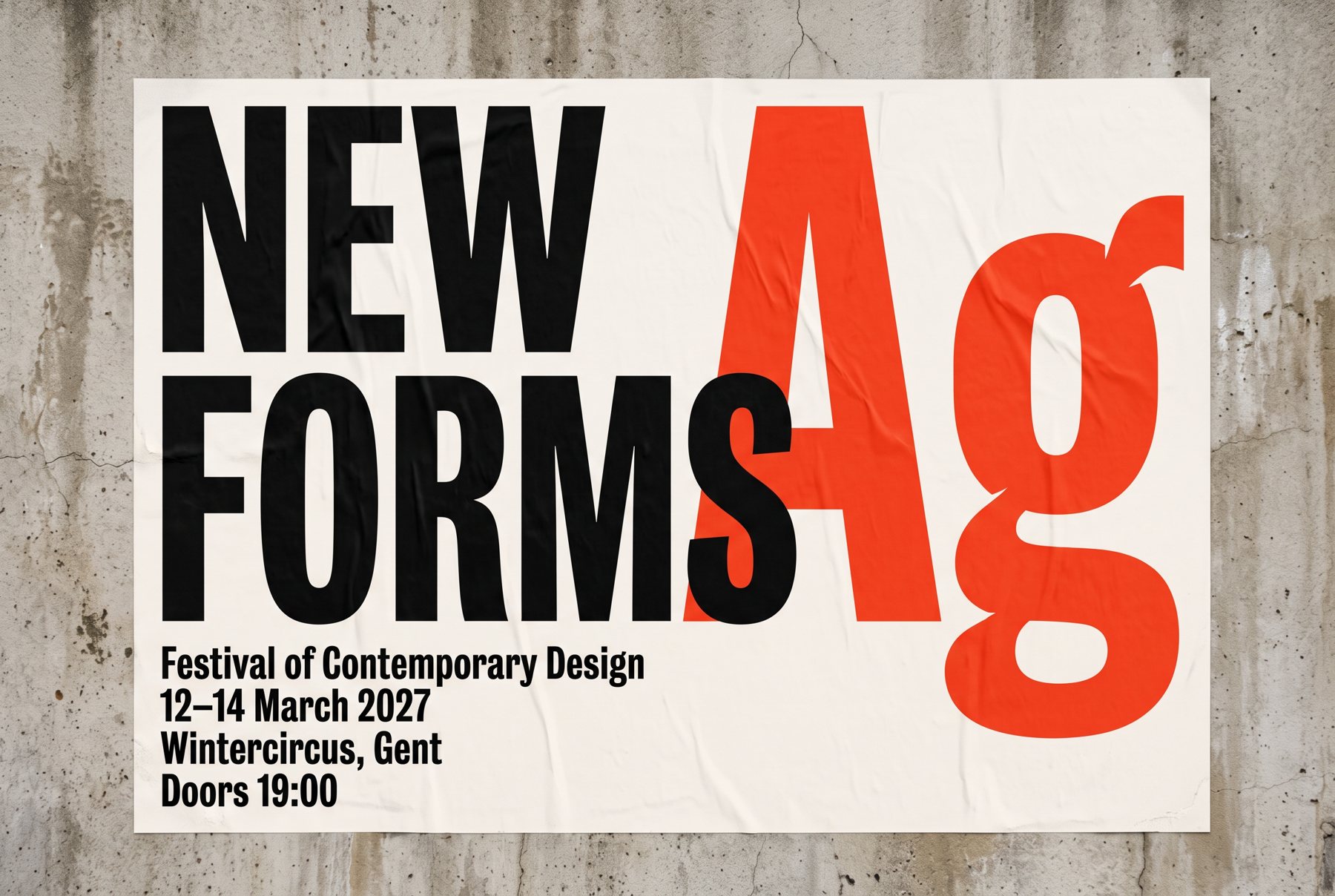
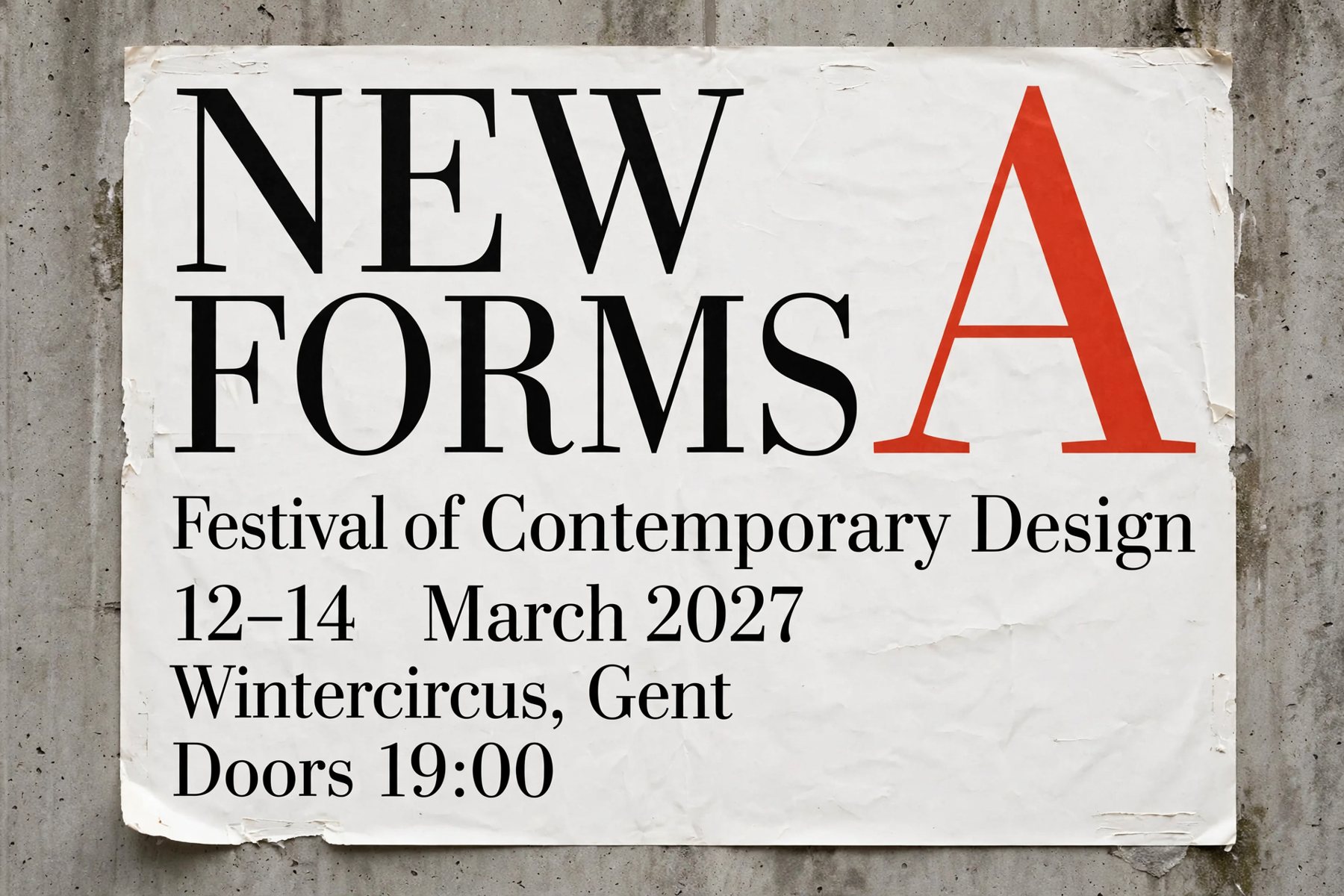
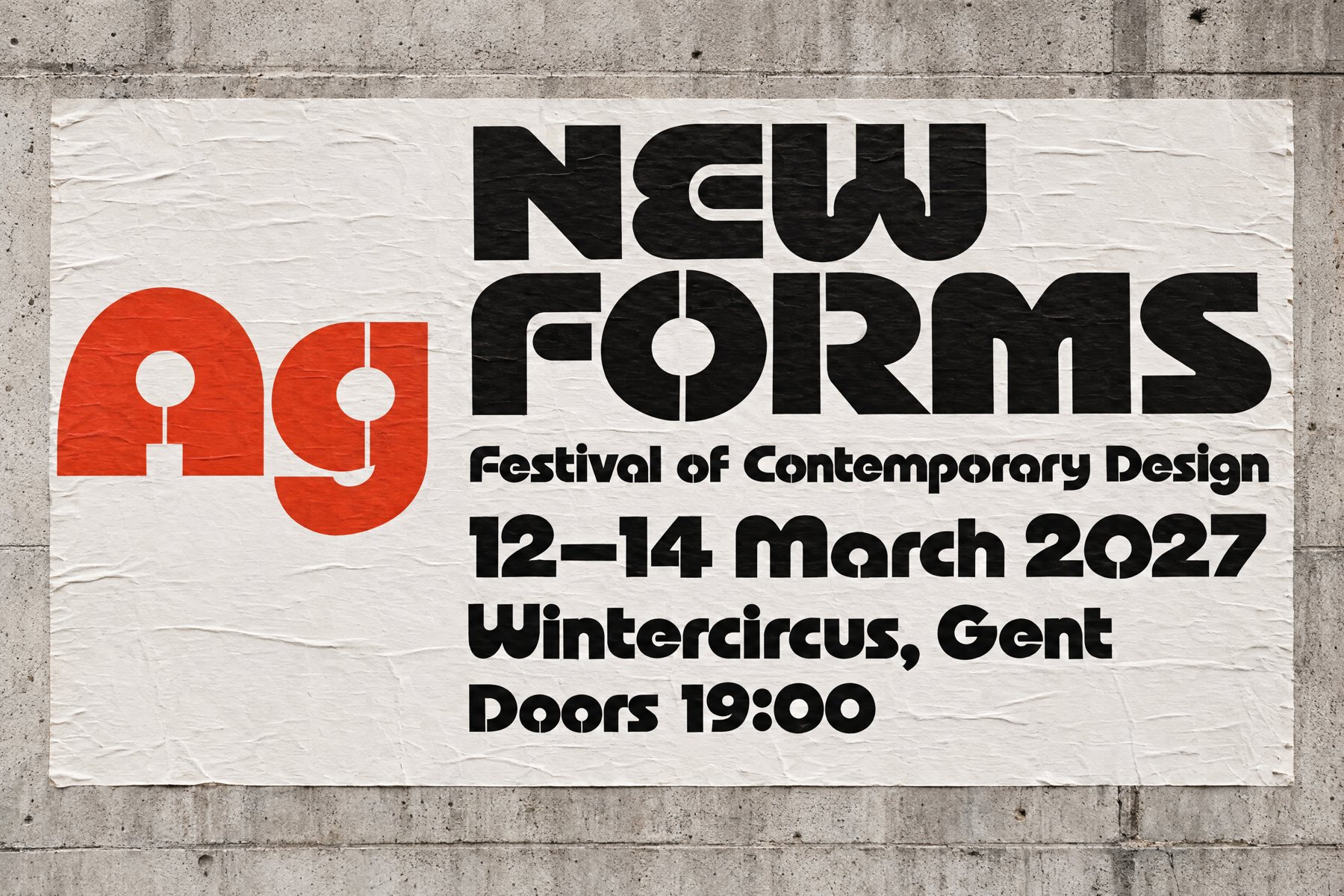
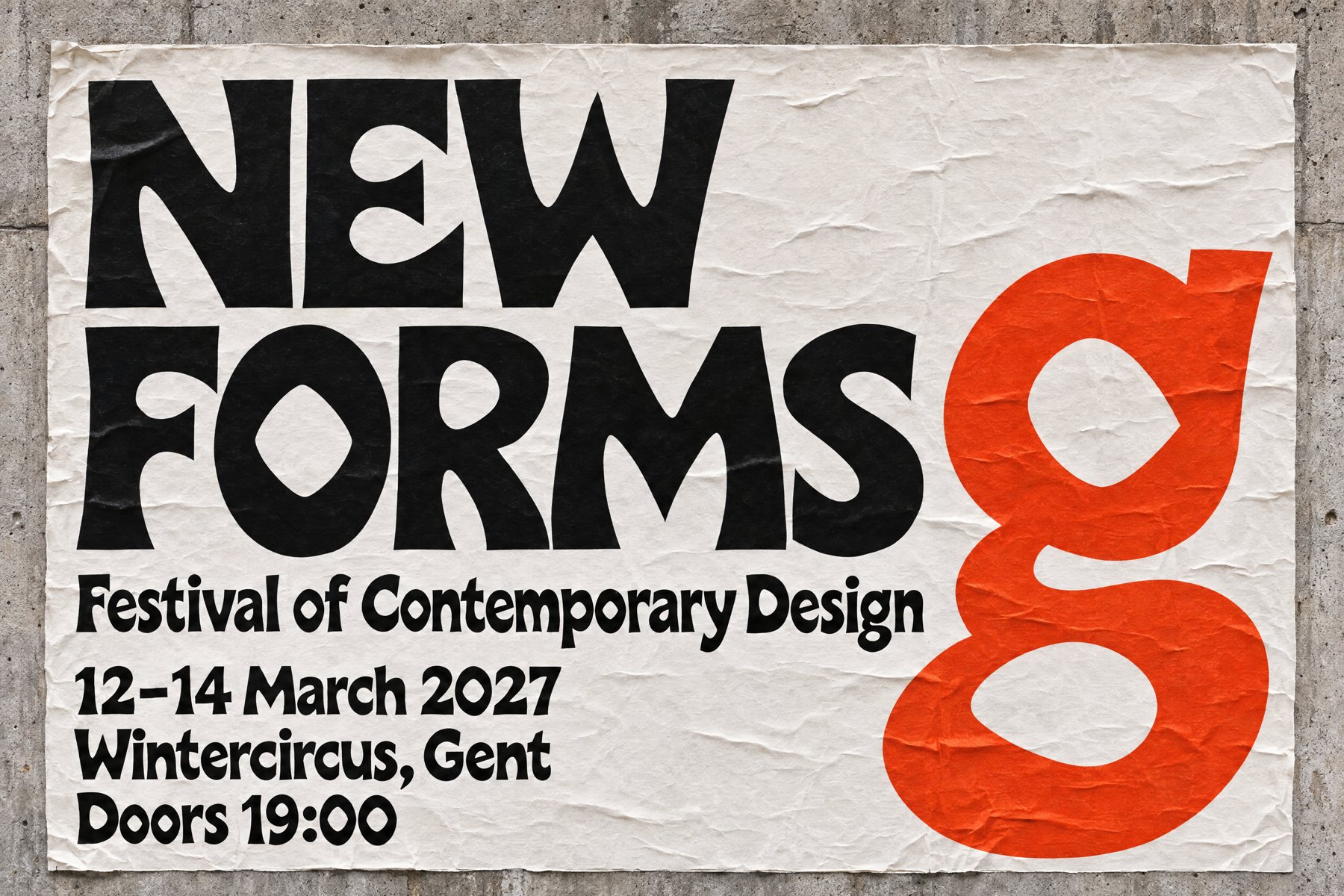
Then three steps. First a sentence, from text alone. That sentence became the reference for the full character set. The character set in turn became the reference for a poster. One attempt per image, nothing regenerated, nothing retouched. We ran three rounds and sharpened the prompt each time.
What we saw
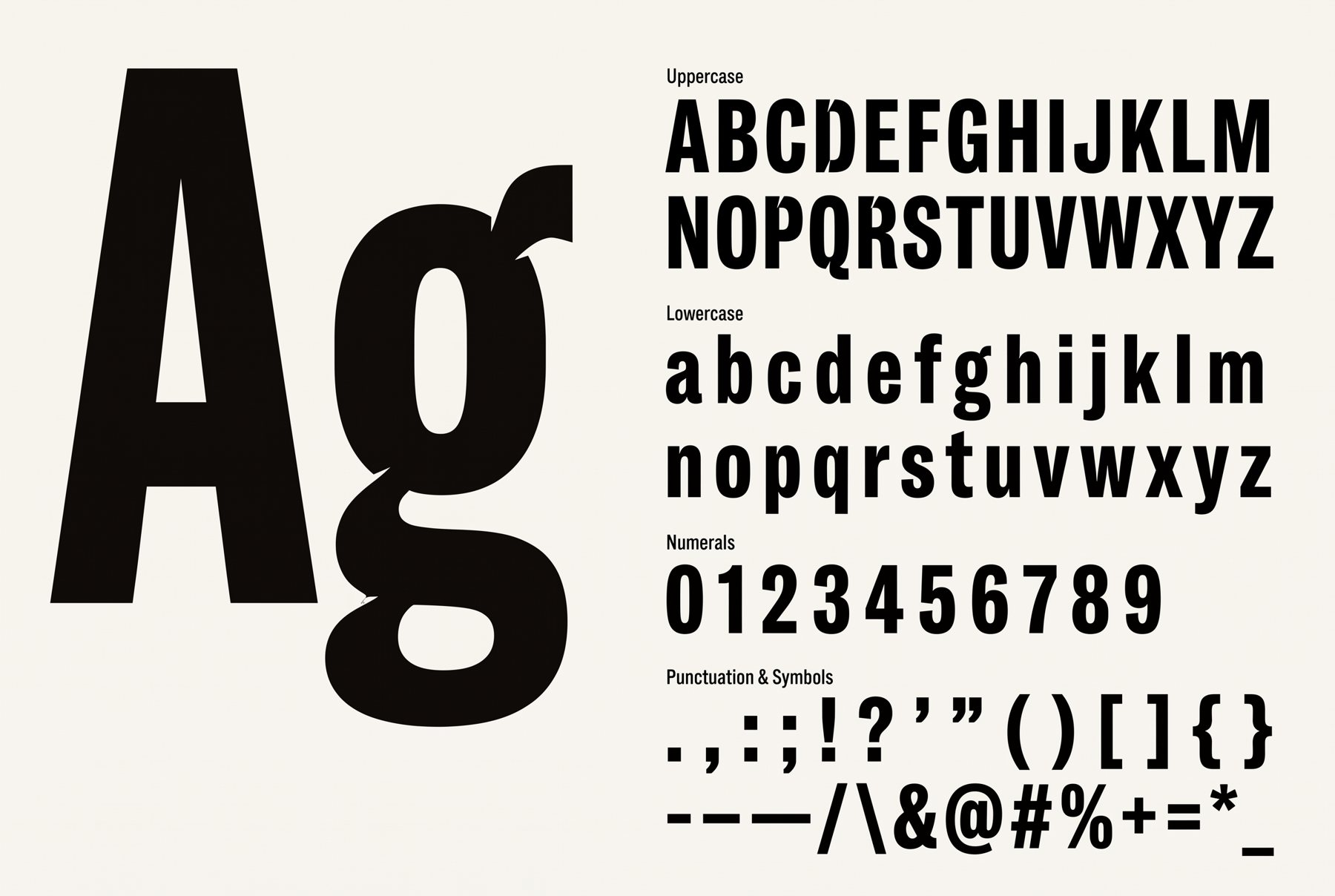
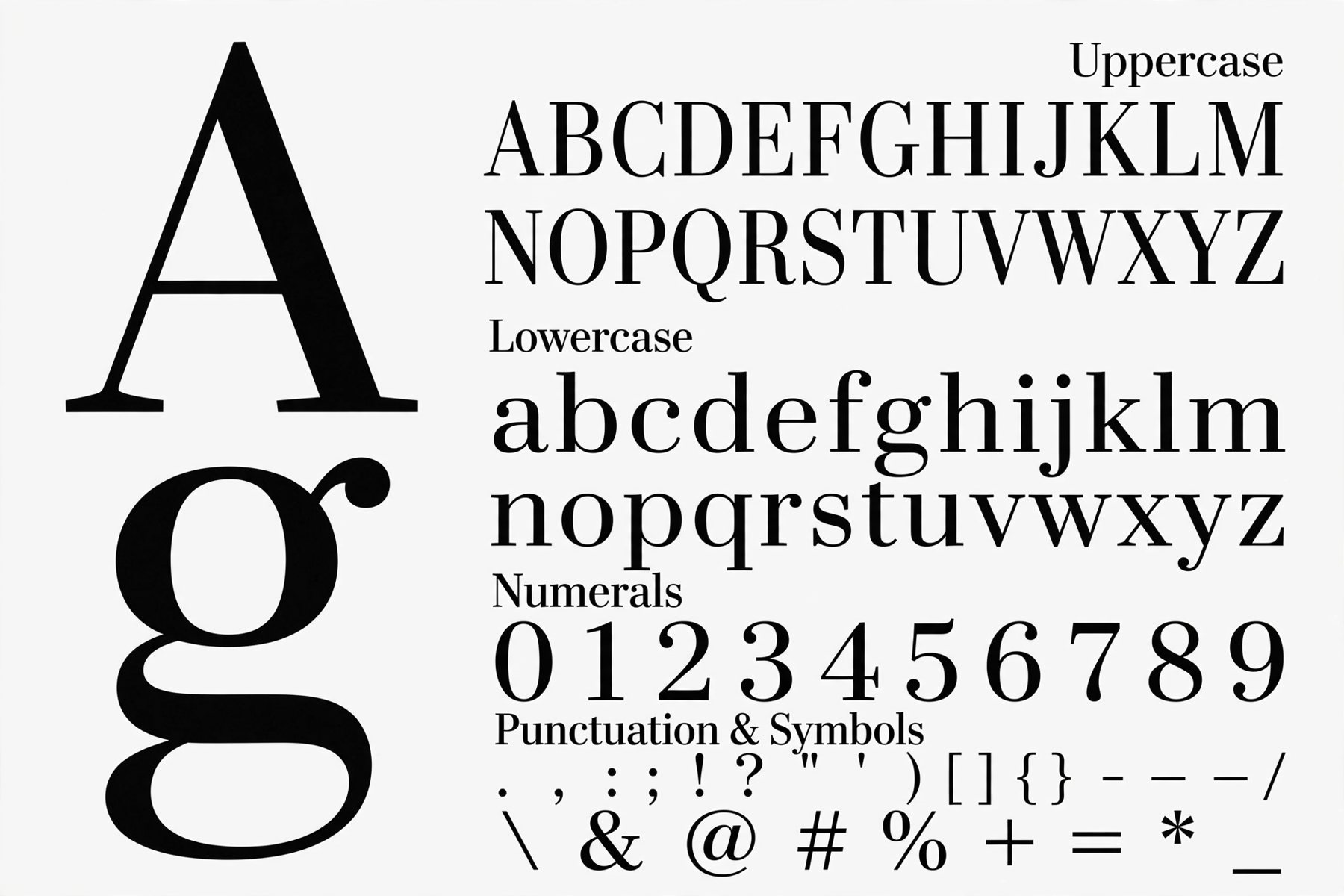
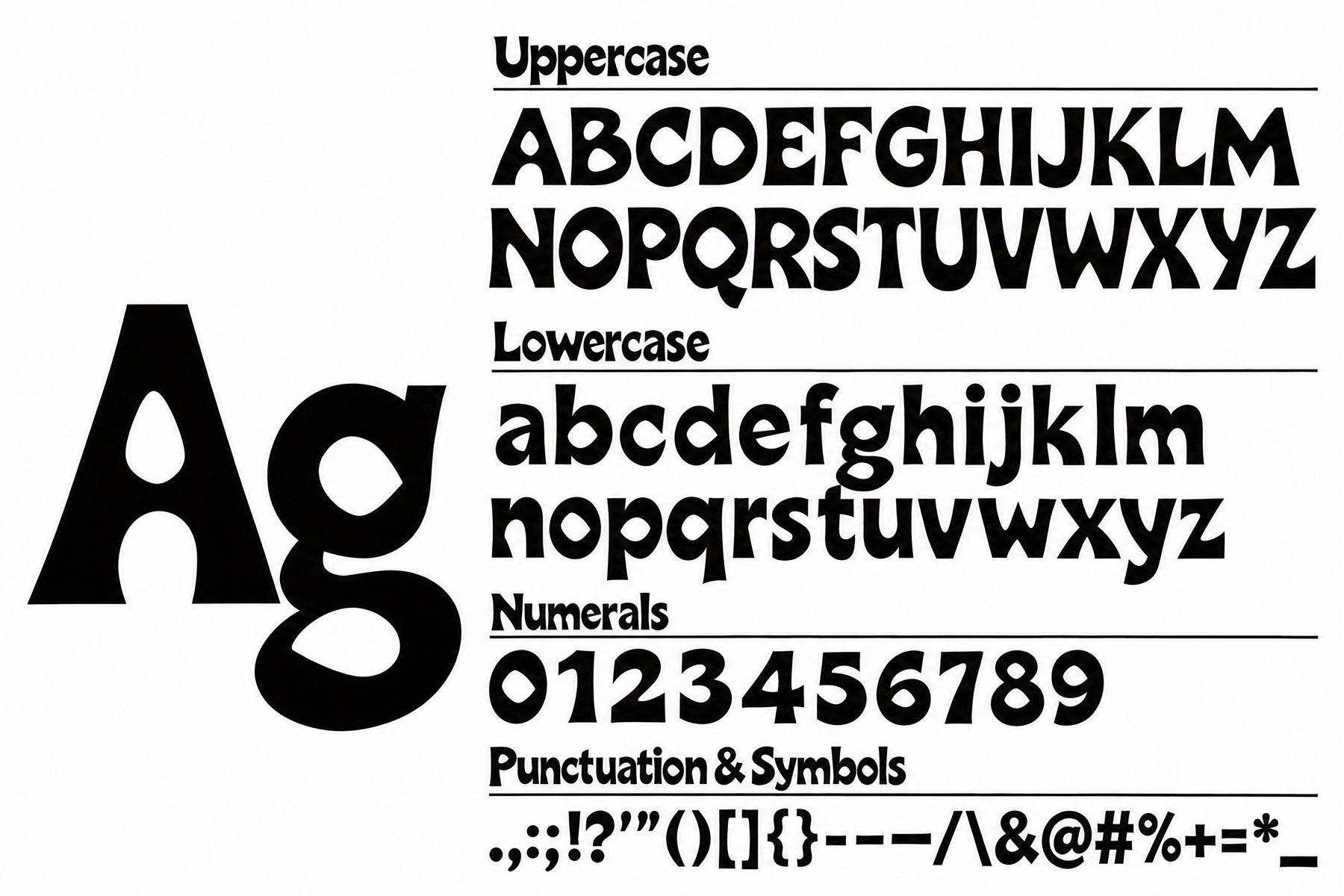
Nano Banana 2.1 and Muse are clearly trained on professional typography. Their specimens look like what a type foundry publishes: careful proportions, calm spacing, credible figures.
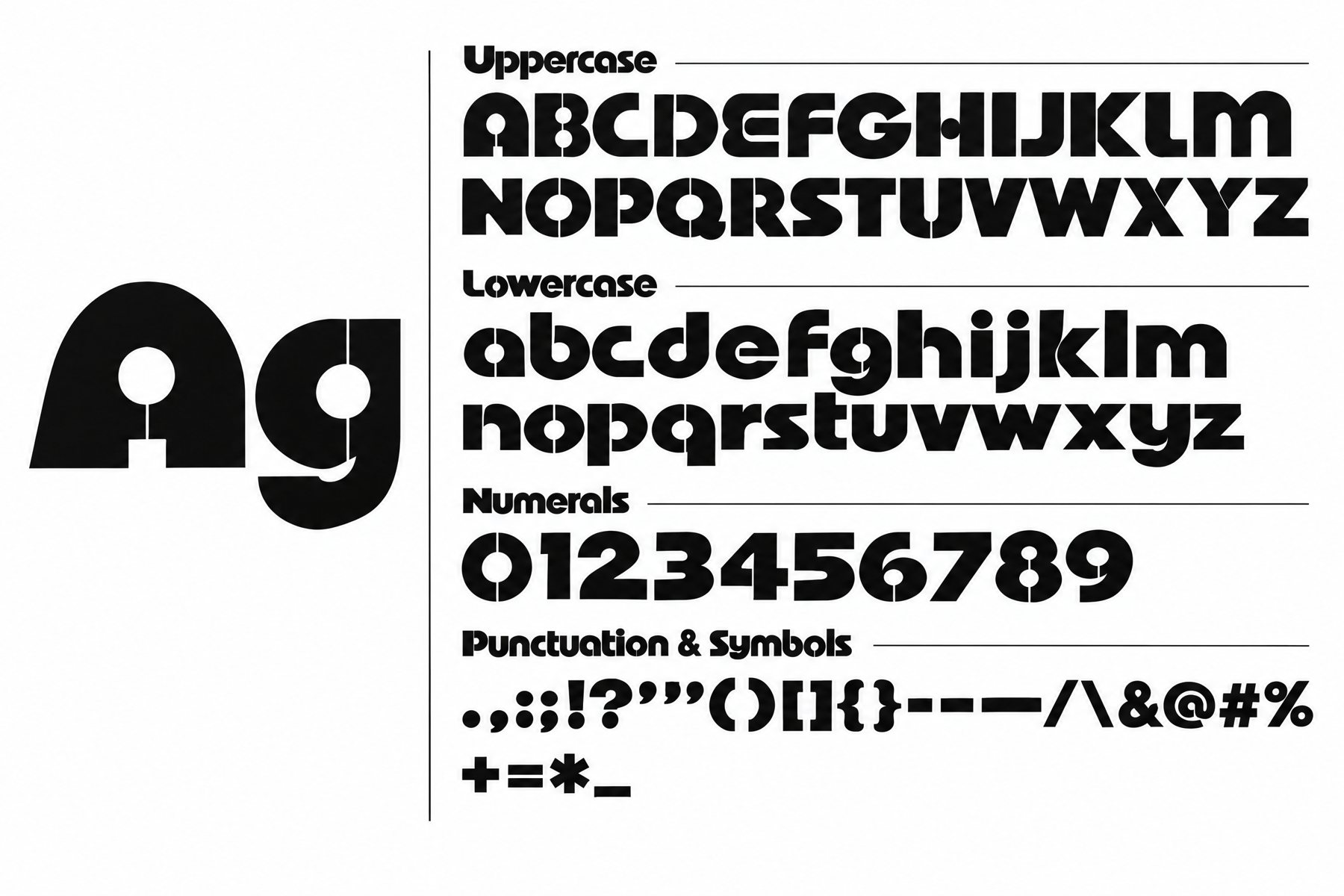
OpenAI tries to be creative, but doesn't understand it. Flare and Sunburst reach for striking shapes, such as stencil cuts and flared stems, that read as effects rather than type design.
None of the models uses a reference well. Muse switched from a sans to a classic serif between the sentence and the character set. Other models replaced straight quotes with curly ones or added text nobody asked for. And real creativity was nowhere to be found: the letters are tidy, but rarely surprising.
Conclusion
Nano Banana 2.1 is the best. Not the boldest model, but the most professional and the most reliable. If you want to explore a typeface, test a direction or visualise a specimen, that is where to start.
It does not replace a type designer. A model delivers an image of letters, not a usable font. Curious what AI can do for your brand identity? A first intake is free.